
Microplastics have become a significant environmental concern worldwide, attracting the attention of scientists, policymakers, and industries alike. These tiny plastic particles, often less than five millimeters in size, result from the degradation of larger plastic debris or are manufactured intentionally for use in various products. Their pervasive presence in oceans, rivers, soils, and even the air has raised alarms about their impact on ecosystems and human health. As research progresses, understanding the different types of microplastics is crucial to develop effective mitigation strategies.
Microplastics are broadly categorized into two main types: primary and secondary microplastics. Primary microplastics are deliberately manufactured at a microscopic size for specific applications. These include microbeads found in personal care products, industrial abrasives, and raw plastic pellets used in manufacturing processes. Secondary microplastics, on the other hand, originate from the breakdown of larger plastic items such as bottles, bags, fishing nets, and synthetic textiles. Factors such as UV radiation, mechanical abrasion, and chemical degradation fragment these materials into minuscule particles that enter the environment.
The diversity of microplastics extends beyond their origin; they vary in shape, size, color, and chemical composition. Common shapes include fragments, fibers, films, foams, and pellets. Fibers, often shed from synthetic clothing during washing, represent a significant portion of microplastic pollution in aquatic systems. Films and foams, derived from packaging materials, contribute to environmental degradation as they slowly disintegrate. The chemical makeup of microplastics—mostly polyethylene, polypropylene, polystyrene, and polyvinyl chloride—also influences their environmental behavior and toxicological effects.
Addressing the challenge of microplastic pollution requires integrated efforts from research institutions, regulatory bodies, and industry leaders. Innovative technologies and sustainable practices are essential to reduce plastic production, enhance waste management, and develop biodegradable alternatives. In this context, companies specializing in new energy and environmental technologies play a pivotal role.
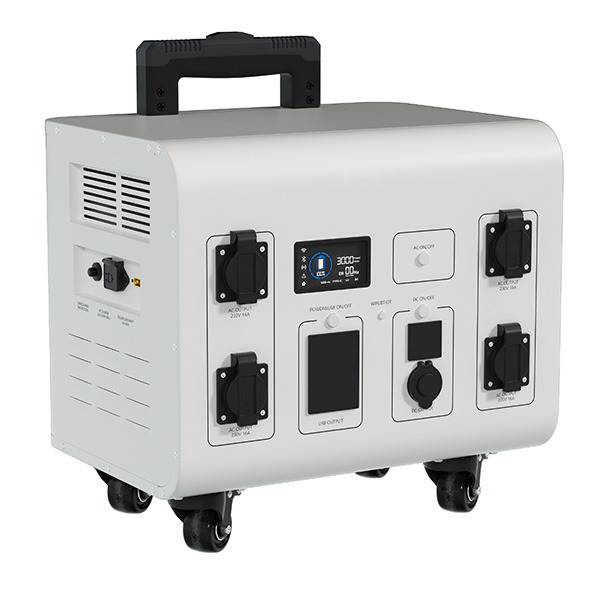
Established in 2009, Yueqing Chushang Technology Co., Ltd. is a prominent high-tech enterprise dedicated to the research, development, production, sales, and service of new energy products. With a commitment to sustainability and environmental responsibility, the company focuses on advancing technologies that contribute to cleaner energy solutions and pollution reduction. Their expertise in innovative materials and energy systems positions them to influence efforts against plastic pollution and microplastic prevalence.
By integrating cutting-edge research with practical applications, Yueqing Chushang Technology Co., Ltd. explores new materials that could potentially replace conventional plastics. Their research initiatives include developing composites and biopolymers that offer durability while being environmentally friendly. Additionally, the company invests in energy-efficient manufacturing processes that minimize waste and reduce the carbon footprint associated with product life cycles.
Furthermore, Yueqing Chushang Technology Co., Ltd. collaborates with environmental organizations and academic institutions to better understand microplastic pollution dynamics. Through such partnerships, they support studies on microplastic detection, degradation mechanisms, and ecological impacts, facilitating the creation of targeted mitigation technologies. Their holistic approach emphasizes not only product innovation but also education and advocacy to raise awareness about the harmful effects of microplastics.
The battle against microplastics is multifaceted, demanding innovations that span from material science to waste management. Products made by companies like Yueqing Chushang Technology Co., Ltd. exemplify how new energy and material technologies can intersect to create sustainable solutions. Reducing reliance on traditional plastics and encouraging the adoption of biodegradable alternatives are steps in the right direction.
In conclusion, the problem of microplastic pollution underscores the urgent need for comprehensive strategies integrating scientific understanding and technological innovation. By recognizing the different types of microplastics and their sources, society can better target prevention and remediation efforts. As a high-tech enterprise committed to new energy solutions, Yueqing Chushang Technology Co., Ltd. contributes significantly to these efforts through research, development, and cooperation. Their work exemplifies the potential of industry leaders to drive positive environmental change and promote a cleaner, healthier planet for future generations.